
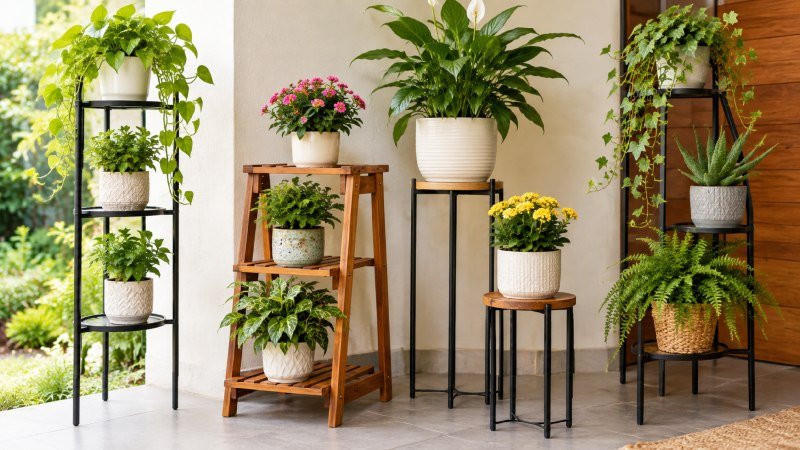
Plant stands have become an essential accessory for gardeners and home decorators alike. They offer a practical and aesthetic solution for displaying plants, ensuring that greenery is showcased prominently in both indoor and outdoor settings. Choosing the right plant stand not only helps in organising plants effectively but also enhances the overall ambiance of a space. This article explores the various types of plant stands available and considerations for selecting the top plant stands for garden and home use.
The Functionality of Plant Stands
Plant stands serve multiple purposes beyond simply holding pots. They elevate plants, allowing better light exposure and air circulation, which can contribute to healthier growth. Furthermore, plant stands help protect surfaces from water damage and soil spills, especially when used indoors. By varying the height and arrangement of plant stands, users can create visually appealing layers of greenery, adding dimension and interest to rooms or garden areas.
Types of Plant Stands
Plant stands come in diverse materials, styles, and sizes. Common materials include wood, metal, plastic, and composite options. Wooden plant stands offer a natural, warm aesthetic suitable for traditional and rustic decor. Metal stands provide a modern or industrial look and are generally more durable for outdoor use. Plastic or composite stands are lightweight and often designed for easy maintenance, making them ideal for casual or temporary display purposes.
Wooden Plant Stands
Wooden stands are popular for their versatility and charm. They can be stained or painted to match interior decor and garden styles. Some wooden plant stands incorporate multiple tiers, providing ample space for several plants in a compact footprint. It is essential to choose treated or weather-resistant wood for outdoor use to ensure longevity.
Metal Plant Stands
Metal plant stands often feature sleek designs, ranging from minimalist frames to ornate creations. Their sturdiness makes them suitable for larger or heavier plant pots. Additionally, many metal stands have powder-coated finishes to protect against rust and weathering, making them an excellent choice for garden environments.
Plastic and Composite Plant Stands
These types of plant stands are budget-friendly and lightweight. They are simple to clean and often resistant to moisture and UV rays. However, plastic stands may lack the structural strength to hold very large plants and might not offer the same aesthetic appeal as wood or metal options.
Considerations When Selecting Plant Stands
When choosing plant stands, it is crucial to consider several factors. The size and weight of the plants should directly influence the choice of the stand’s height, strength, and stability. A stand that is too small or flimsy may tip over or fail to support the plant adequately.
Placement is another critical factor. Indoor plant stands should complement the room’s decor and provide the right level of elevation to maximize natural light. Outdoor stands must withstand environmental conditions such as rain, wind, and sunlight. Therefore, materials and finishes suited for these conditions are preferred.
Design and style also play a significant role, especially for indoor use. Plant stands can act as statement pieces or blend subtly with other furniture. The choice depends on personal taste, as well as the desired overall look of the space.
Benefits of Using Plant Stands
Using plant stands comes with multiple advantages. One key benefit is improved plant health. Elevating plants allows for better air circulation around the pot and soil, helping to prevent fungal diseases and promote root health.
Additionally, plant stands facilitate easier cleaning and maintenance. By keeping plants off the floor or surfaces, they help reduce dirt accumulation and enable easier access for watering and pruning.
From a spatial perspective, plant stands optimise available space by utilising vertical areas that might otherwise be unused. Multi-tiered stands offer the possibility of arranging numerous plants in a compact area, making them excellent for small homes or apartments.
Where to Find Quality Plant Stands
For those seeking reliable and durable options, it is advisable to consult specialised suppliers. One can find a variety of practical and trendy plant stands that cater to various needs, from small indoor arrangements to robust garden stands capable of supporting large plants.
Maintaining Plant Stands
Proper maintenance extends the life and appearance of plant stands. Wooden stands should be periodically treated with sealants or varnish to protect against moisture and insect damage. Metal stands require cleaning to prevent dust build-up and occasional checks for rust spots, which should be addressed promptly.
Plastic plant stands benefit from regular washing to maintain a clean look. Regardless of the material, inspecting the stability and integrity of plant stands before use is advisable, especially when accommodating heavy pots.
Innovations in Plant Stand Design
Recent trends reveal innovative plant stands incorporating adjustable heights, modular designs, and integrated features such as watering systems. These advancements allow greater flexibility and convenience for plant care enthusiasts.
Furthermore, eco-friendly designs utilising recycled materials and sustainable production methods are gaining popularity. These options appeal to environmentally conscious consumers looking to complement their green living spaces with sustainable products.
Incorporating Plant Stands in Interior Design
Plant stands can serve as focal points in interior design schemes, bringing natural elements into homes and offices. They complement various styles, from minimalist and contemporary to vintage and eclectic gardens. The right plant stand can highlight favourite plants and create a sense of harmony and calm within the space.
Conclusion
Quality plant stands are valuable additions to any garden or home layout. They enhance plant health and visibility while contributing positively to space utilisation and decor. Selecting appropriate plant stands involves considering material, size, durability, and design to suit specific environments and requirements.
For those looking for a wide selection of effective and stylish plant stands, specialised suppliers offer varied solutions tailored to both indoor and outdoor gardening needs. With proper care and maintenance, these stands support the vibrant display of plants, enriching living environments with natural beauty.