
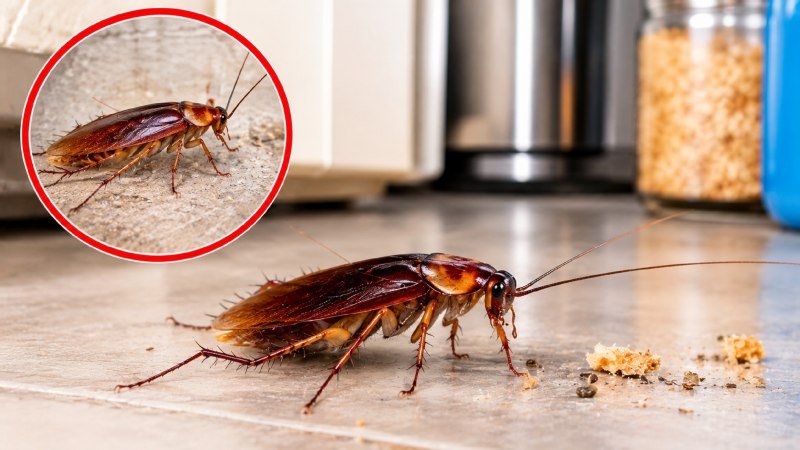
A large, reddish-brown cockroach crossing a patio at dusk gets a quick and memorable reaction. Ask five people what to call it and several will say “red roach.” The phrase is a nickname, not a scientific category, and it covers more than one insect. In South Florida, warm weather, heavy rain, palm trees, and constant humidity give cockroaches of many kinds a comfortable home all year. Some live mainly outdoors and wander in. Others settle in kitchens and stay. The right response depends on which one is present. The sections below explain what people usually mean by the term, where these roaches appear, why identification shapes treatment, what prevention looks like, and how to keep pressure low through the wet season.
What People Mean When They Say “Red Roach”
The nickname most often describes the American cockroach, one of the largest household species, reaching about an inch and a half. Adults are reddish brown with a pale yellowish band around the edge of the shield behind the head. Locals often call them palmetto bugs, and they fly short distances on warm, humid nights.
Other roaches also earn the label. The Turkestan cockroach, sometimes called a “red runner” in parts of the country, is reddish to orange-brown in some stages and has spread into warm regions. Juvenile German cockroaches can look dark reddish, and the Australian and smokybrown species fall into similar color ranges. Some homeowners apply the term to any brown-red roach seen in daylight.
Identification takes a close look. Size, markings on the back of the head, wing length, and the presence of dark stripes behind the head all separate species. A clear photo beside a coin gives an inspector enough to work with. Calling every reddish roach the same thing can lead to a treatment aimed at the wrong insect, which is why careful description matters before any product is chosen.
Where These Cockroaches Tend to Appear
American roaches thrive in dark, damp, warm places, and Palm Beach County offers them in abundance. Outdoors, they live in sewers, storm drains, mulch beds, tree holes, woodpiles, and the crowns of palm trees. After heavy rain or a hot spell, they move toward buildings, entering through door gaps, garage thresholds, dryer vents, and gaps around pipes.
Inside, they gather in basements, garages, utility rooms, attics, and bathrooms, especially near drains. Laundry rooms and kitchens attract them when moisture and food residue are present. Large homes with many plumbing lines, crawl spaces, and covered patios provide plenty of shelter, as do pool equipment areas.
Smaller reddish roaches behave differently. German cockroaches stay indoors, concentrating in kitchens and bathrooms near food and water, and they multiply fast. Seeing small, fast roaches in cabinets after dark points to an indoor population, while a single large roach after a storm usually means an outdoor wanderer. Noting where and when sightings occur gives the first clue to the source. Daytime sightings, droppings that look like coffee grounds, and a musty smell in closed cabinets add information.
Why Correct Identification Matters Before Treatment
Different roaches demand different strategies, and a mismatch wastes time and money. Outdoor species such as the American roach are controlled mostly by treating the exterior, sealing entry points, and reducing moisture around the foundation. Indoor species such as the German roach require baits, growth regulators, and thorough sanitation inside the home.
Any plan for dealing with red roach in Palm Beach County homes begins with a close look at the insect and the pattern of sightings. Spraying a kitchen for an insect that is actually wandering in from a storm drain accomplishes little. Treating the yard for a population living in cabinets misses the source entirely.
Sightings also reveal conditions to fix. Roaches around a tub may reflect a slow leak, and roaches near a garage door suggest a worn seal. Monitoring with sticky traps, placed along walls and near drains for a few days, shows where activity concentrates and which life stages are present. Small nymphs indicate breeding nearby. A professional can use that evidence to separate a minor outdoor nuisance from an established indoor infestation.
Treatment and Prevention That Match the Species
Effective control combines exclusion, sanitation, and targeted treatment. A practical approach includes:
- Sealing gaps around doors, windows, pipes, and utility lines with caulk, sweeps, and mesh.
- Repairing leaks and drying damp areas under sinks, in laundry rooms, and around air-conditioning lines.
- Clearing mulch, leaf litter, and debris from the foundation, and trimming palm fronds and shrubs away from the house.
- Cleaning drains regularly and keeping drain covers in place.
- Storing food and pet food in sealed containers and taking out trash nightly.
A realistic approach to managing local cockroach activity pairs those habits with products suited to the species. Exterior perimeter treatments and treatment of mulch, drains, and harborage areas reduce outdoor populations. Gel baits and growth regulators work indoors against German roaches. Repellent sprays and foggers often scatter insects and delay results.
Patience is part of the process. Populations decline gradually, and a few sightings in the first weeks are normal. If activity persists after several weeks of consistent effort, or if roaches appear in daylight and in multiple rooms, a professional inspection can find hidden harborages and recommend a schedule.
Habits That Hold Up Through the Wet Season
South Florida’s rainy months push roaches toward buildings, so prevention should peak before the summer storms. In late spring, check door sweeps and weatherstripping, clear gutters, and trim vegetation touching the roof or walls. Inspect screens and vents, and make sure garage door seals sit tight against the floor.
During the wet season, empty standing water, run exhaust fans in bathrooms, and keep damp laundry from sitting. After heavy storms, walk the yard and clear debris that holds moisture. Hurricane season adds its own concerns, since stored supplies in garages and closets, such as cardboard boxes and bags of pet food, create shelter and food. Plastic bins with lids replace cardboard easily.
Seasonal records help. A simple log with dates, locations, and photographs shows whether roaches arrive after storms, in a certain room, or near a specific drain. That pattern points toward the fix. Housekeepers, pool staff, and landscapers also see parts of the property that owners rarely visit, so a short conversation about what to report can reveal problems earlier.
End Note
“Red roach” is a convenient label for several insects, and the label hides the details that matter. Large reddish roaches around patios and garages are usually outdoor species wandering inward, while small reddish ones in kitchens point toward an indoor population. Identification, moisture repair, sealing, sanitation, and species-appropriate treatment make control work. Seasonal habits keep storms and heat from undoing the progress. When sightings continue despite steady effort, a professional inspection brings the evidence and tools to find what a homeowner cannot see.