
Outdoor spaces have become an essential extension of modern living areas, providing environments for relaxation, social gatherings, and recreational activities. The design and durability of these spaces are crucial to ensure comfort and longevity. One of the growing trends enhancing outdoor areas is the use of wind proof paving systems, which offer numerous benefits compared to conventional paving solutions.
Understanding Wind Proof Paving Systems
A wind proof paving system is a paving solution designed specifically to withstand strong wind conditions without compromising structural integrity or surface stability. These systems incorporate advanced installation techniques and materials that prevent paving slabs from shifting, lifting, or becoming unstable under adverse weather conditions.
The Need for Wind Resistant Outdoor Flooring
Wind can cause significant damage to outdoor surfaces, particularly in exposed environments such as rooftops, terraces, coastal areas, and open gardens. Conventional paving materials can become loose or damaged when subjected to high wind forces, resulting in safety hazards and costly repairs. Implementing a wind proof paving system addresses these issues by securing the paving elements firmly in place.
Challenges Faced by Traditional Paving Methods
Traditional paving methods often rely on mortar beds or loose laying techniques. While these may be sufficient in protected environments, they are vulnerable in high-wind scenarios. Loose paving can create uplift forces beneath the slabs during wind gusts, leading to displacement or breakage. Mortar laid paving can crack or degrade over time when exposed to wind-driven debris or movement.
Features of Effective Wind Proof Paving Systems
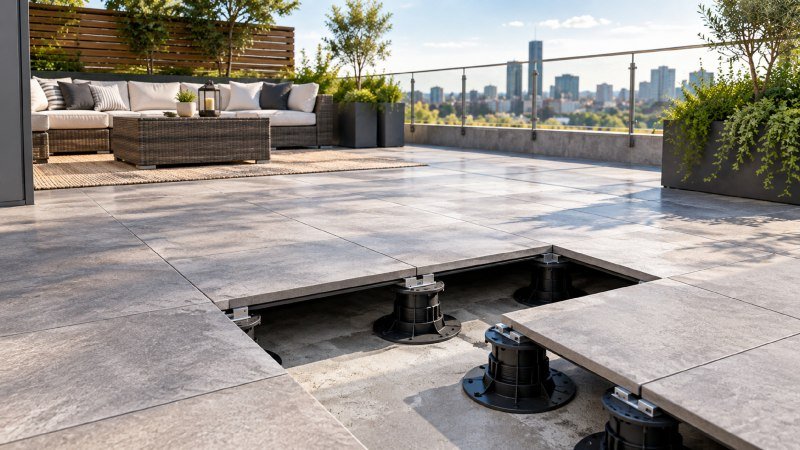
Wind proof paving systems incorporate various features that ensure stability and durability. These generally include interlocking paving supports, adjustable pedestals, and a system that distributes weight evenly to resist wind uplift. The design minimises movement and prevents the pavement from becoming a hazard or suffering from premature wear.
Materials and Engineering
The materials used in wind proof paving systems are chosen for their strength, durability, and resistance to environmental stressors. Engineered plastics, composite materials, or metal supports provide the underlying structure, supporting paving slabs while absorbing and dissipating wind forces. This method eliminates the need for adhesives or mortar while maintaining a level and secure surface.
Benefits of Installing Wind Proof Paving Systems
Wind proof paving systems offer multiple advantages that enhance the functionality and aesthetics of outdoor spaces. These benefits extend beyond merely resisting wind and include:
- Increased safety by preventing slab movement and trip hazards
- Reduced maintenance due to enhanced durability and resistance to damage
- Improved drainage, reducing water accumulation beneath paving
- Flexible installation options suitable for rooftops, balconies, gardens, and terraces
- Environmentally friendly installation with reusable and recyclable components
Applications of Wind Proof Paving Systems
Wind proof paving systems are highly versatile and applicable in various sectors. Residential, commercial, and public spaces all benefit from enhanced outdoor flooring solutions. Common applications include:
- Terrace and balcony flooring
- Rooftop gardens and usable roof decks
- Pool surrounds and outdoor entertaining areas
- Walkways in coastal and windy environments
- Corporate campus outdoor spaces
Case Study: Rooftop Decks
Rooftop decks are exposed to elevated wind speeds due to their height and lack of shelter. Traditional paving methods may fail over time under these conditions, requiring frequent repair. Installing a wind proof paving system with adjustable pedestal supports ensures the slabs remain fixed in position. The system also allows easy access to drainage and services beneath the paving, greatly simplifying maintenance.
Installation Considerations
Professional installation is vital to maximise the effectiveness of wind proof paving systems. Preparation of the substrate, accurate placement of supports, and alignment of the paving slabs are critical steps. The height of pedestals can be adjusted to accommodate slight variations in substrate levels, ensuring a uniform paving surface.
Maintenance and Longevity
Once installed, wind proof paving systems require minimal maintenance. Their design allows for easy cleaning, and individual paving slabs can be replaced without disturbing the entire surface. This flexibility extends the life of the outdoor space, making it a cost-effective solution in the long term.
Environmental Impact and Sustainability
Many wind proof paving systems promote sustainability by using recyclable materials and enabling permeable surfaces that aid in water drainage. This reduces runoff and helps manage stormwater naturally. Reusable components also minimise waste during installation and renovation, aligning with greener construction practices.
Design Flexibility with Wind Proof Solutions
Wind proof paving systems offer considerable design flexibility. They accommodate various types of finishing surfaces, including natural stone, concrete pavers, and timber decking. Designers and architects can create outdoor areas that are both visually appealing and structurally sound under challenging weather conditions.
Conclusion
The use of wind proof paving systems is increasingly recognised as an essential aspect of enhancing and protecting outdoor spaces. They provide a reliable solution to the challenges posed by wind, ensuring that exterior areas remain safe, stable, and visually attractive for users. Investing in high-quality systems like the wind proof paving system represents a forward-thinking approach to outdoor design, combining functionality with aesthetic appeal.
As environmental conditions continue to demand resilient construction methods, wind proof paving systems stand out as a practical and necessary innovation. They contribute significantly to the durability and enjoyment of outdoor spaces across residential, commercial, and public sectors.