
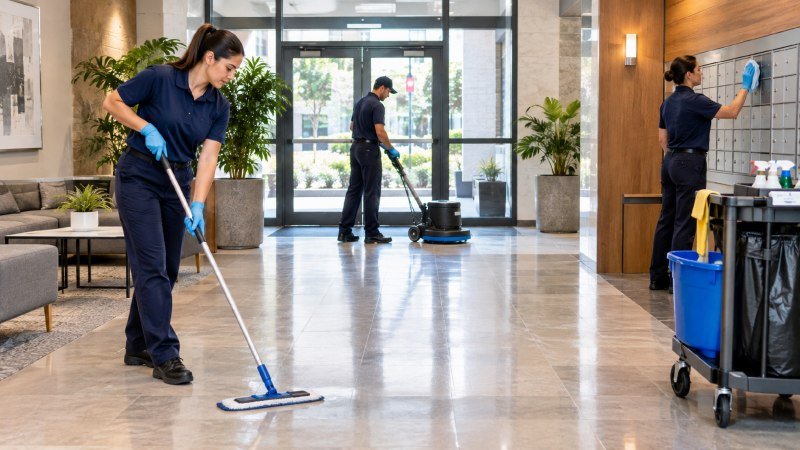
Strata cleaning is an indispensable service that supports the maintenance and upkeep of residential and commercial strata properties. Given the complexity and shared nature of strata developments, these cleaning services require specialised knowledge and precise execution to maintain the property’s aesthetic appeal and hygiene standards. This guide aims to provide a comprehensive overview of strata cleaning, outlining its importance, key components, and the benefits of engaging professional services.
Understanding Strata Cleaning
Strata cleaning refers to the professional cleaning services tailored specifically for strata properties. These properties comprise multiple units or apartments under a shared ownership and management structure. Due to communal facilities such as foyers, gardens, car parks, hallways, and recreational areas, strata cleaning must address both individual units (in some cases) and common property areas efficiently.
Unlike regular domestic cleaning, strata cleaning involves servicing large and often complex areas which require specialised machinery, products, and trained personnel. Effective strata cleaning ensures that all shared spaces remain safe, hygienic, and visually appealing for residents and visitors alike.
The Importance of Strata Cleaning
The significance of dedicated strata cleaning services extends beyond mere aesthetics. Proper cleaning impacts the health, safety, and overall well-being of all occupants within the strata property. Accumulated dirt, dust, and refuse can contribute to pest infestations, allergies, and unsanitary living conditions. Moreover, cleanliness directly influences the property’s value and residents’ satisfaction.
Regular strata cleaning also ensures compliance with health and safety regulations, essential for community living arrangements. It minimises potential liabilities for strata management by reducing slip-and-fall accidents and other hazards linked to poorly maintained common areas.
Key Components of Strata Cleaning
Strata cleaning services cover an extensive range of maintenance tasks adapted to the unique needs of strata properties. These tasks typically include:
1. Lobby and Common Area Cleaning
The lobby is the first impression of any strata property. Regular cleaning of carpets, floors, walls, windows, and furniture is critical to maintain cleanliness and professionalism. Stain removal, dusting, and polishing are essential to keep these areas pristine.
2. Hallways and Stairwells
High-traffic areas such as hallways and stairwells are prone to dirt accumulation. Cleaning includes sweeping, mopping, and ensuring handrails and balustrades are disinfected. Proper lighting maintenance during cleaning may also be coordinated.
3. Car Parks and External Areas
Car park areas require pressure washing, rubbish collection, and graffiti removal. Exterior cleaning extends to gardens, pathways, and entryways, where leaf removal and landscaping may complement the cleaning routine.
4. Waste Management
Effective waste management is vital. Strata cleaning encompasses organising bin areas, sanitising communal rubbish chutes, and coordinating with waste disposal services to ensure hygienic and efficient rubbish removal.
5. Windows and Glass Panels
Cleaning of windows and glass panels within common areas ensures natural light permeates the premises and maintains visual appeal. Professional strata cleaning teams employ specialised tools to ensure safety and thorough cleaning.
Benefits of Professional Strata Cleaning Services
Engaging professional strata cleaning services brings numerous advantages that make it a worthwhile investment for strata committees or managing bodies.
Firstly, trained professionals understand the specific requirements of strata properties, enabling thorough and compliant cleaning practices. They have access to specialised equipment and eco-friendly products tailored to large-scale and communal areas.
Secondly, outsourcing cleaning duties to a professional service reduces the administrative and operational burden on strata management. Contracting a reputable company ensures a consistent cleaning schedule and responsive service, enhancing overall tenant satisfaction.
Thirdly, regular professional cleaning contributes to prolonging the life of communal property infrastructure. Carpets, flooring, paintwork, and fixtures retain their condition longer, which can defer costly repairs or replacements.
Choosing the Right Strata Cleaning Provider
Selecting a reliable strata cleaning company requires careful consideration to ensure quality and value. Important factors include the provider’s experience, reputation, service range, and ability to customise cleaning plans according to the strata property’s size and needs.
Transparency in pricing and a clear service agreement will help prevent misunderstandings. It is recommended to seek companies with industry accreditation and positive client testimonials.
One can explore providers such as strata cleaning specialists who demonstrate expertise in this niche and offer tailored solutions to strata complexes.
Environmental Considerations in Strata Cleaning
Modern strata cleaning services increasingly incorporate environmentally responsible practices. Many companies now prioritise the use of non-toxic, biodegradable cleaning agents and water-efficient techniques to minimise environmental impact.
Additionally, waste sorting and recycling protocols are integrated into cleaning operations to support sustainability goals within strata communities.
Frequency of Strata Cleaning
The frequency of strata cleaning varies depending on factors such as the size of the property, number of occupants, and specific facility usage. Typical cleaning schedules range from daily servicing of critical areas like entry points to weekly or monthly deep cleans of less frequented spaces.
Periodic inspections accompany cleaning routines to ensure standards are upheld and any emerging maintenance issues are reported promptly.
Challenges in Strata Cleaning
Despite its benefits, strata cleaning presents challenges such as coordinating access to communal areas during cleaning times and managing the diverse needs of different residents. Communication and flexibility are paramount to balancing effective service delivery with minimal disruption.
Additionally, some common areas require specialised cleaning regimes, for example, tiled bathrooms or gym facilities within strata complexes. Providers must possess the knowledge and equipment to address these requirements competently.
Conclusion
In summary, strata cleaning is a critical component of property management for shared living and working spaces. It ensures cleanliness, safety, and aesthetic upkeep that benefit both residents and property owners. Engaging professional cleaning services that offer tailored strata cleaning solutions provides a practical and efficient means of maintaining these complex environments.
By understanding the scope, benefits, and considerations associated with strata cleaning, strata committees and managers can make informed decisions to uphold their property’s standards and enhance resident satisfaction.