
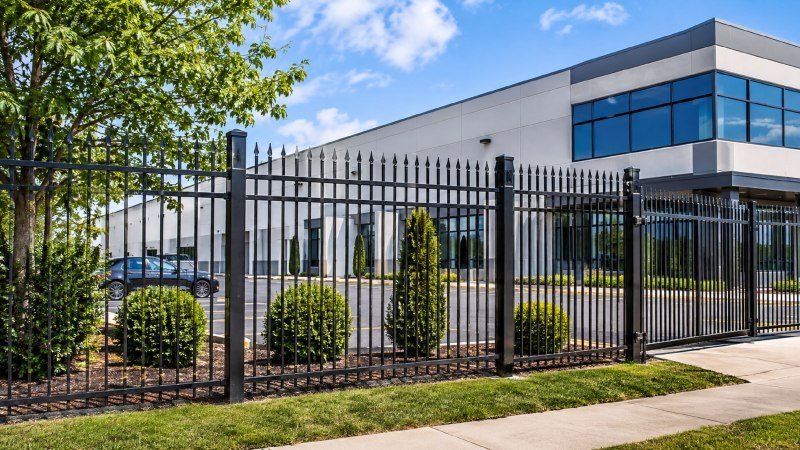
For commercial and municipal properties across Chicagoland, a perimeter fence is more than a property marker. It can direct vehicles and pedestrians, protect equipment, define restricted areas, and support safer daily operations. Pro Fence II, Inc. is a Wheeling, Illinois-based commercial and industrial fencing contractor serving Chicagoland communities with installation, repair, custom ornamental and gate solutions, automatic gate operators, guardrails, temporary fencing, recreation, solar, data center, and enclosure solutions. Its broad project experience reflects why a fence plan should begin with how a site actually operates.
From warehouse districts near O’Hare to park facilities, construction sites, and utility-scale projects throughout the region, property conditions can change quickly. Freeze-thaw cycles, snow storage, drainage, truck traffic, and changing access needs should all influence the fence layout before materials are selected. Working with an experienced provider like Pro Fence II, Inc. can help property managers evaluate these conditions and plan fencing solutions that support site security, accessibility, and long-term functionality.
Why Perimeter Planning Matters
A basic boundary identifies where a property ends. A security-focused perimeter does more. It guides approved traffic, limits casual entry, separates work zones, and helps staff recognize when someone is entering through the wrong location. Planning before paving, landscaping, lighting, or access-control work helps prevent expensive changes later.
For example, a warehouse may need separate routes for delivery trucks, employee vehicles, visitors, and emergency responders. Public properties may also need to balance appearance, sightlines, and movement with protection. Debates about public access and security concerns illustrate why fencing decisions should consider both the people who use a space and the risks a perimeter is intended to address.
Start With a Site Risk Review
Before requesting bids, create a simple site map. Mark buildings, property lines, driveways, loading areas, sidewalks, utility equipment, pedestrian routes, drainage paths, and restricted zones. Then answer practical questions:
- What equipment, inventory, people, or areas need protection?
- Who should be able to enter, and at what times?
- Where do trucks, employees, guests, and emergency vehicles need access?
- Are theft, trespassing, privacy, vehicle control, or safety separation the main concern?
- Could new buildings, parking changes, or site expansion affect the perimeter later?
- Are there slopes, easements, underground utilities, wetlands, or drainage channels?
Choose the Right Fence Type
Chain Link and Ornamental Metal
Chain link fencing is often a practical choice for large commercial properties, equipment yards, athletic areas, and construction sites because it creates a clear boundary while preserving visibility. Privacy screening and security upgrades may be appropriate where visual shielding or additional deterrence is needed. Ornamental metal fencing can be a better fit for offices, schools, parks, and customer-facing sites where a more finished appearance matters.
High-Security and Temporary Fencing
Data centers, utility compounds, industrial facilities, and other sensitive sites may require a stronger perimeter coordinated with controlled gates, lighting, cameras, and interior barriers. Temporary panels or post-driven fencing are useful for demolition, construction, events, and renovations. They should be inspected regularly because wind, uneven ground, repeated gate use, and changing work areas can affect stability.
Plan Gates and Access Points
Gates should be part of the original layout, not an afterthought. Measure the largest truck or service vehicle that will use each opening, and allow space for turning, backing, loading, and snow removal. Separate pedestrian and truck entrances when practical, and keep emergency access clearly marked and unobstructed.
Consider swing, slide, cantilever, or double gates based on available space and traffic patterns. In plain language, access control basics involve deciding who can enter, when they can enter, and which areas they can reach. Keypads, card readers, intercoms, and operators should also have a manual release procedure in the event of outages or equipment problems.
Match Fencing to Property Use
- Industrial and warehouse properties: Prioritize loading zones, employee parking, equipment yards, truck circulation, and after-hours access.
- Construction sites: Use changing boundaries, controlled entrances, warning signs, and barriers around excavations or active work.
- Solar and renewable energy sites: Plan for long perimeter runs, maintenance access, vegetation control, equipment protection, and emergency gates.
- Parks and municipal properties: Balance public access and appearance with ball containment, service gates, court protection, and pedestrian flow.
- Trash and generator enclosures: Screen equipment, control access, and preserve enough clearance for waste and maintenance crews.
Use Temporary Fencing for Active Sites
Temporary fencing should evolve with the project. Begin by mapping the first work zone and the safest public boundary. Place worker and delivery gates where they will not force people across public paths. Add signs and safety barriers when fencing alone does not communicate the hazard. Review the layout after demolition, utility work, framing, paving, and other major phases, then inspect panels, posts, feet, ties, and gates after severe weather.
Add Layers of Security
A fence is one layer of a larger security plan. Useful supporting measures can include lighting that reduces dark areas, camera coverage at gates and corners, intercoms at controlled entrances, warning signs, alarms, and written procedures for lost credentials or emergency entry. Technology works best when it supports clear sightlines, secure gates, and a complete perimeter rather than attempting to compensate for weaknesses in the layout.
Avoid Mistakes and Plan for Maintenance
Common problems include selecting a fence before identifying risks, providing too few gates, overlooking emergency vehicles, building over easements, and ignoring drainage or snow storage. Property managers should inspect hinges, latches, locks, wheels, operators, mesh, posts, and gaps below the fence each month. Seasonal reviews should check for storm damage, erosion, standing water, frost movement, and vegetation blocking signs, lighting, or cameras.
Conclusion
A well-planned commercial perimeter helps protect people, equipment, and property while supporting safe access and efficient daily operations. By evaluating site risks, selecting suitable fencing, coordinating gates and security systems, and scheduling regular maintenance, property managers can make more informed decisions for long-term performance. For businesses, industrial facilities, construction sites, and municipal properties across Chicagoland, Pro Fence II, Inc. offers a range of commercial fencing and access solutions to help meet different site requirements.