
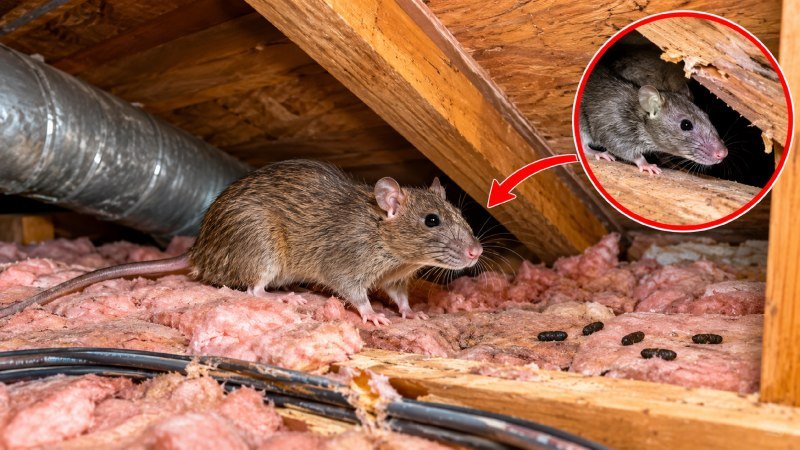
A scratching sound in the ceiling at 2 a.m. tends to be remembered. It moves along the rafters, pauses, then starts again, and the household lies awake guessing whether it is a squirrel, a raccoon, or something smaller. In the East Bay, the answer is often a roof rat. These agile climbers thrive in neighborhoods with mature trees, fruit, dense landscaping, and nearby open hillsides, all of which describe much of Walnut Creek. Once inside an attic, they chew wiring, contaminate insulation, and breed rapidly. Spotting the early clues makes the difference between a manageable repair and a costly cleanup. The sections below explain why local properties attract roof rats, how they get in, what signs reveal them, why exclusion and removal go together, and how to prevent a return.
Why Walnut Creek Properties Attract Roof Rats
Roof rats, also called black rats, prefer high places. They nest in trees, dense vines, and attics instead of burrowing in the ground, which makes tidy suburban lots with mature oaks, palms, and ornamental trees a natural fit. Neighborhoods close to creeks, open space, and Mt. Diablo’s foothills give them travel corridors and a steady supply of newcomers.
Food drives their presence. Backyard fruit trees, such as citrus, persimmon, avocado, and loquat, often drop fruit that goes uneaten. Bird feeders, pet food left outside, and unsecured trash add to the supply. English ivy and thick hedges give cover, and utility lines and fences work as aerial highways.
The mild climate adds to the problem. With no hard winter to slow breeding, populations can grow nearly year-round, and a female can produce several litters annually. A property that feeds and shelters one rat can soon support many. Since the animals travel at night and stay out of sight, homeowners often learn about an infestation only when the noise begins or a stain appears on a ceiling, well after the colony has settled in.
Roofline Access, Tree Branches, and Vents
Roof rats reach attics from above. Tree branches within a few feet of the roof offer an easy bridge, as do power lines, cable runs, and fence tops that meet the house. Once at roof level, they search for openings. A young rat can squeeze through a gap about the size of a quarter, and adults need little more than half an inch.
Typical entry points include gaps at eaves and soffits, loose fascia boards, damaged or unscreened attic vents, openings around plumbing stacks and chimney flashing, and holes beside air-conditioning lines. Gable vents with torn mesh are a classic route, and so are gaps where a garage roof meets the main house. Rats also gnaw on wood and soft metal to enlarge an opening.
A thorough check starts at ground level, then moves along the roofline. Look for dark grease marks where rats rub against surfaces, chewed edges, and droppings on ledges. Inspect the junctions between rooflines, since those angles hide gaps. Binoculars help from the ground, though a ladder inspection or professional visit gives a better view. Mapping access routes shows what must be sealed later.
Nighttime Sounds, Droppings, and Insulation Damage
Sound is often the first clue. Roof rats are active after dark, so scratching, scurrying, rolling, or gnawing noises overhead at night suggest their presence. Squirrels make similar sounds in the daytime, which helps separate the two. Thumping or dragging may indicate larger movement, while high-pitched squeaks point toward nesting.
Physical signs confirm the suspicion. Droppings are spindle-shaped, dark, and about half an inch long, usually scattered along travel routes and near nests. Gnawed wires, pipes, or stored items, trails pressed through insulation, and shredded nesting materials such as paper and fabric are common. Stains on ceilings may reflect urine or moisture. A stale, musky odor in the attic or upper walls becomes stronger as populations grow.
Insulation shows the damage clearly. Rats compress it into runways, tunnel through it, and soil it with urine and droppings, which reduces its value as a thermal barrier. Gnawed electrical wiring is a safety concern, since exposed conductors can create fire risks. Several clues together justify a closer look at the guidance in “attic rats control Walnut Creek”, because the longer a colony remains, the more it spreads and the more it costs to repair.
Why Exclusion and Removal Must Work Together
Removing animals without closing entry points invites a repeat, and sealing openings without removing animals traps them inside. Effective local attic rodent management homeowners can rely on addresses both sides at once. A sound plan begins with a full inspection that identifies the species, estimates the number of animals, and finds every opening.
Removal comes first. Snap traps and enclosed bait stations placed along travel routes catch animals efficiently, and trained technicians place them where pets and children cannot reach. Poison in the attic carries risks, including dead animals in walls and secondary exposure to wildlife and pets, so many professionals favor trapping. Once catches stop, exclusion begins. Gaps are sealed with steel mesh, flashing, or cement, vents are covered with heavy-gauge screen, and branches are trimmed back.
The final step is cleanup. Contaminated insulation is removed and replaced, and the attic is sanitized and deodorized. Skipping this stage leaves scent trails and pathogens that attract new rats. Written documentation of sealed points and treated areas gives the homeowner a clear record of what was done.
Cleanup, Safety, and Prevention After Removal
Droppings and nesting material carry bacteria and parasites, so safe handling is important. Wear gloves, a fitted respirator, and eye protection. Avoid sweeping or vacuuming dry droppings, which can send particles into the air. Instead, ventilate the space, dampen droppings with disinfectant, wipe them up, and bag them for disposal. Professional cleanup is wise in large attics.
Prevention then turns to the yard. A few habits make a lasting difference:
- Prune branches so they sit at least several feet from the roof.
- Pick up fallen fruit promptly, and harvest trees before fruit overripens.
- Store pet food and birdseed in sealed containers, and bring bowls inside at night.
- Use trash cans with tight lids, and keep them away from the house.
- Thin dense ivy and shrubs near walls and fences.
- Inspect and seal the roofline each year.
Periodic checks reduce surprises. Walk the roofline in spring and autumn, look for fresh gnaw marks or droppings on ledges, and listen for noises in the evening. Early attention to one new gap costs far less than dealing with another colony.
End Note
Roof rats find Walnut Creek properties inviting because trees, fruit, vegetation, and mild weather meet in the same yard. Branches and utility lines carry them to the roof, small gaps let them in, and attics supply warmth and nesting material. Noises at night, droppings, gnawed wiring, and damaged insulation reveal their presence. Lasting relief comes from removing the animals, sealing every access point, and cleaning the attic thoroughly. Homeowners who also manage fruit, trash, and tree branches reduce the chance of a return. A quiet ceiling is the result of both steady habits and careful repairs.