
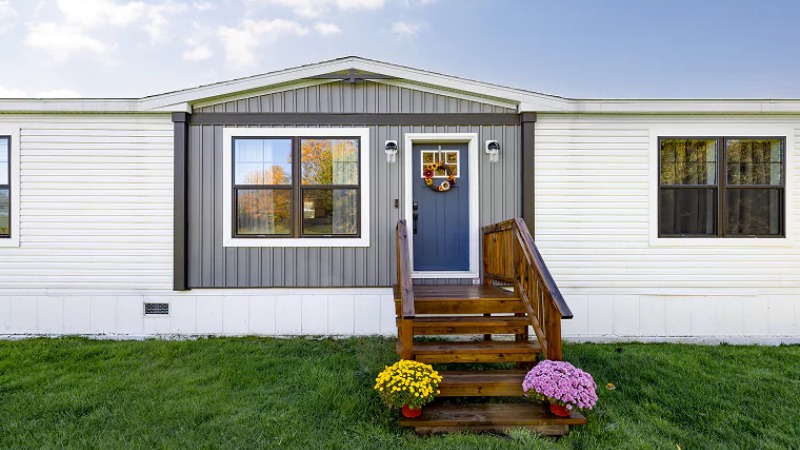
Choosing new siding is one of the most important exterior decisions a mobile home owner can make. The material affects weather protection, energy efficiency, maintenance, appearance, and long-term repair costs. A good choice should match the home’s structure, local climate, budget, and installation requirements. When comparing siding for mobile homes, owners should consider weight, moisture resistance, insulation needs, durability, and compatibility with the existing wall system.
Start With the Condition of the Existing Exterior
Before selecting a material, inspect the current exterior carefully. Look for loose panels, cracks, dents, soft areas, stains, gaps around windows, and signs of water entering behind the surface. Damage near the bottom edge may result from standing water, snow, landscaping, or poor drainage.
The wall structure should also be checked for rot, mold, pest damage, and weak sheathing. Covering hidden problems with new panels can trap moisture and lead to expensive repairs later.
Decide Whether Repair or Replacement Makes Sense
A small damaged section may only need repair when the surrounding material remains secure. Full replacement is often more practical when deterioration appears on several walls, matching panels are unavailable, or repeated repairs have become costly.
Compare the Main Siding Materials
Each material has different strengths, costs, and maintenance requirements. Owners should compare products based on local weather, home design, expected upkeep, and structural limitations.
Vinyl Siding
Vinyl is widely used because it is affordable, lightweight, and available in many colors and profiles. It does not require painting and can be cleaned with mild soap and water.
However, low-quality vinyl may crack in cold weather, warp under intense heat, or become loose during strong winds. Proper fastening is essential because panels need space to expand and contract.
Metal Siding
Aluminum and steel panels can provide strong weather resistance and a clean appearance. Metal is not vulnerable to rot, and some products perform well in regions with heavy rain or frequent storms.
Aluminum may dent from impact, while steel can rust if protective coatings are damaged. Coastal areas may require products designed to resist salt exposure.
Fiber Cement Siding
Fiber cement offers durability, fire resistance, and the appearance of painted wood. It can handle moisture and temperature changes when installed correctly.
The material is heavier than vinyl or aluminum, so the wall structure must be able to support it. Installation usually requires specialized tools, careful handling, and trained labor.
Engineered Wood Siding
Engineered wood provides a traditional look with less maintenance than natural wood. Modern products are treated to resist moisture, insects, and decay. Cut edges and penetrations must be sealed correctly. Regular inspection and repainting may still be needed to maintain protection.
Consider Climate and Energy Performance
Climate should guide both material selection and installation details. Homes in cold regions need products that tolerate freezing temperatures and wind. Hot climates require materials that resist fading, warping, and heat buildup. Wet areas need reliable drainage and moisture control.
Siding alone does not determine energy efficiency. House wrap, insulation, air sealing, window flashing, and skirting all influence indoor comfort.
Evaluate Insulated Siding Options
Insulated panels can reduce air movement and add thermal resistance to exterior walls. The improvement depends on existing insulation and installation quality. Owners should compare projected energy savings with the additional product and labor cost.
Match the Material to the Home’s Structure
Mobile homes have different wall assemblies from many site-built houses. Panel weight, fastening points, ventilation, window depth, and roof overhangs must be considered before installation.
A contractor should inspect the framing, sheathing, trim, and moisture barrier. Structural repairs should be completed before new material is attached.
Plan Around Windows, Doors, and Utility Openings
Water commonly enters around windows, doors, vents, electrical connections, and exterior fixtures. These areas need proper flashing and sealing rather than surface caulk alone.
Trim should guide water away from openings while allowing normal movement between materials. Poor detailing can shorten the life of an otherwise durable product.
Compare Costs Beyond the Initial Estimate
A useful budget should include removal, disposal, wall repairs, insulation, trim, flashing, permits, labor, and cleanup. Unexpected damage may increase the final price, so a contingency amount is sensible. Compare total ownership cost rather than material price alone. A product with a higher initial cost may provide better value if it requires fewer repairs, less painting, and lower maintenance.
Review Warranties Carefully
Read both manufacturer and workmanship warranties. Coverage may depend on approved installation methods, ventilation, maintenance, and documentation.
Keep contracts, receipts, product labels, photographs, and maintenance records.
Choose a Qualified Installer
- Confirm licensing and insurance requirements
- Request references from similar projects
- Ask how hidden damage will be handled
- Review flashing and moisture-control methods
- Compare written scopes, not only prices
- Confirm cleanup and disposal responsibilities
- Get warranty terms in writing
A qualified installer should explain material limitations and installation steps clearly. Pressure to sign immediately or accept an unclear estimate is a warning sign.
Conclusion
The right siding can improve protection, comfort, appearance, and long-term value. The decision should begin with an inspection of the existing exterior and wall structure.
Owners should compare material weight, climate performance, maintenance, energy efficiency, installation requirements, warranties, and total cost. Careful planning and skilled installation help prevent moisture problems, reduce future repairs, and give the home a durable exterior suited to everyday living.