
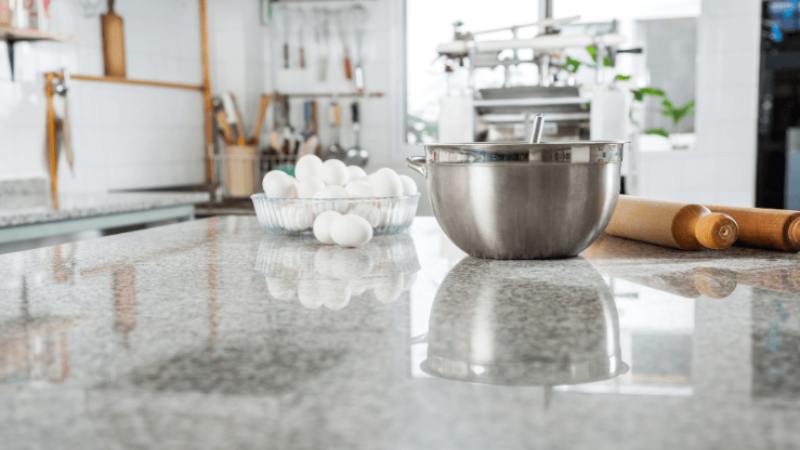
When planning a kitchen or bathroom renovation, countertops quickly become the center of attention. They’re not just functional surfaces; they shape the entire look and feel of your space. Among the many options available today granite, quartz, laminate, and marble solid surface countertops material has quietly become one of the most practical and stylish choices for modern homes.
Homeowners, interior designers, and builders appreciate this material for its seamless appearance, durability, and low maintenance. But before you invest in new countertops, it’s important to understand exactly what this material is, how it compares to other options, and how to choose a reliable manufacturer.
This complete buying guide will walk you through everything you need to know about solid surface countertops material, from features and benefits to installation tips and manufacturer selection.
What Is Solid Surface Countertops Material?
Solid surface countertops material is a man-made composite typically created from a blend of natural minerals and acrylic or polyester resins. The result is a smooth, non-porous surface that mimics the appearance of natural stone while offering better flexibility in design and fabrication.
Unlike natural stone countertops, solid surface sheets are engineered to create seamless joints, making them ideal for modern kitchens, bathrooms, hospitals, restaurants, and commercial interiors.
Common Components
Most solid surface countertops material includes:
- Acrylic resin
- Polyester resin
- Aluminum trihydrate (ATH mineral filler)
- Pigments for color
- Decorative particles or patterns
Because it’s manufactured, this material can be produced in hundreds of colors, textures, and finishes.
Why Solid Surface Countertops Are So Popular
There’s a reason why architects and homeowners increasingly choose solid surface countertops material over other countertop options. It offers a unique balance between beauty, practicality, and affordability.
Key Advantages
- Seamless appearance with invisible joints
- Non-porous surface that resists bacteria and moisture
- Easy maintenance and cleaning
- Repairable and renewable surface
- Wide range of colors and patterns
- Custom fabrication possibilities
- Warm and smooth touch compared to stone
In addition, this material works perfectly for integrated sinks, curved designs, and custom countertops that would be difficult with granite or quartz slabs.
Common Applications of Solid Surface Material
While kitchens remain the most popular place for countertops, solid surface countertops material is used in many different environments.
Residential Uses
- Kitchen countertops
- Bathroom vanity tops
- Kitchen islands
- Backsplashes
- Laundry room counters
- Window sills
Commercial Uses
- Hospital workstations
- Restaurant counters
- Hotel reception desks
- Office worktops
- Retail display surfaces
Because it is hygienic and easy to sanitize, many healthcare facilities prefer solid surface countertops material for medical environments.
Solid Surface vs Other Countertop Materials
Choosing the right countertop often comes down to comparing materials. Below is a simple comparison table to help buyers understand how solid surface countertops material stacks up against other popular options.
| Feature | Solid Surface |
Granite | Quartz | Laminate |
| Seamless Installation | Yes | No | No | Yes |
| Non-Porous | Yes | No | Yes | Yes |
| Repairable | Yes | Limited | No | No |
| Heat Resistance | Moderate | High | High | Low |
| Maintenance | Low | Medium | Low | Low |
| Design Flexibility | Very High | Limited | Medium | Medium |
As you can see, solid surface countertops material stands out because of its repairability and seamless installation.
How to Choose the Best Solid Surface Manufacturer
Not all manufacturers produce the same quality material. If you’re planning to purchase countertops for a home or commercial project, selecting a reliable solid surface manufacturer is extremely important.
Experienced manufacturers specialize in producing high-quality sheets, panels, and custom fabricated products that meet international standards.
What to Look For in a Manufacturer
When evaluating a manufacturer, consider these factors:
1. Product Quality
High-quality solid surface countertops material should have consistent thickness, uniform color, and strong structural performance.
2. Manufacturing Technology
Advanced production equipment ensures durability, scratch resistance, and long-lasting finishes.
3. Customization Options
A good manufacturer should offer:
- Custom sheet sizes
- Various textures and finishes
- Multiple color collections
- Custom countertop fabrication
4. Industry Experience
Manufacturers with years of experience understand the technical requirements of architects, builders, and distributors.
For example, companies specializing in engineered stone and solid surface countertops material often provide solutions for residential kitchens, commercial interiors, and hospitality design.
Design Possibilities With Solid Surface Countertops
One of the biggest advantages of solid surface countertops material is design freedom. Because it can be thermoformed and molded, designers can create unique shapes and integrated components.
Popular Design Options
- Integrated sinks and basins
- Curved countertops
- Waterfall kitchen islands
- Seamless backsplashes
- Custom wall panels
- Decorative surfaces
Interior designers love this material because it allows them to create a clean, modern aesthetic without visible seams or joints.
Maintenance and Cleaning Tips
Another reason homeowners choose solid surface countertops material is how easy it is to maintain.
Daily Cleaning
- Use mild soap and warm water
- Wipe with a soft cloth or sponge
- Avoid harsh chemical cleaners
Removing Stains
For stubborn stains:
- Use a mild abrasive cleaner
- Gently scrub with a non-scratch pad
- Rinse thoroughly with water
Repairing Scratches
Minor scratches can usually be repaired by light sanding and polishing. This renewable surface is one of the biggest benefits of solid surface countertops material.
Cost of Solid Surface Countertops
The price of solid surface countertops material depends on several factors.
Cost Factors
- Sheet thickness
- Color complexity
- Brand or manufacturer
- Fabrication requirements
- Installation labor
Generally, solid surface countertops material falls into the mid-range price category—more expensive than laminate but more affordable than premium granite or quartz surfaces.
Tips Before Buying Solid Surface Countertops
If you’re planning to invest in solid surface countertops material, keep these buying tips in mind.
- Always request material samples before ordering
- Check warranty and product certifications
- Work with experienced countertop fabricators
- Confirm sheet thickness and density
- Compare multiple manufacturers
Taking these steps helps ensure you get the best quality material for your project.
Conclusion
Choosing the right countertop is one of the most important decisions in any kitchen or bathroom renovation. With its seamless appearance, hygienic surface, and flexible design options, solid surface countertops material continues to grow in popularity among homeowners, designers, and builders.
Whether you’re upgrading a modern kitchen, designing a luxury bathroom, or working on a commercial interior project, this engineered material offers a balance of beauty and practicality. From easy maintenance to repairable surfaces and limitless design possibilities, solid surface countertops material provides long-term value that many other materials simply cannot match.
Before making a final purchase, take the time to research reputable manufacturers, explore color collections, and consult experienced fabricators. The right choice can transform your space and give you a countertop surface that looks stunning for years to come.
If you’re considering a renovation project, share your thoughts or experiences with solid surface countertops material and help others make smarter design decisions.