
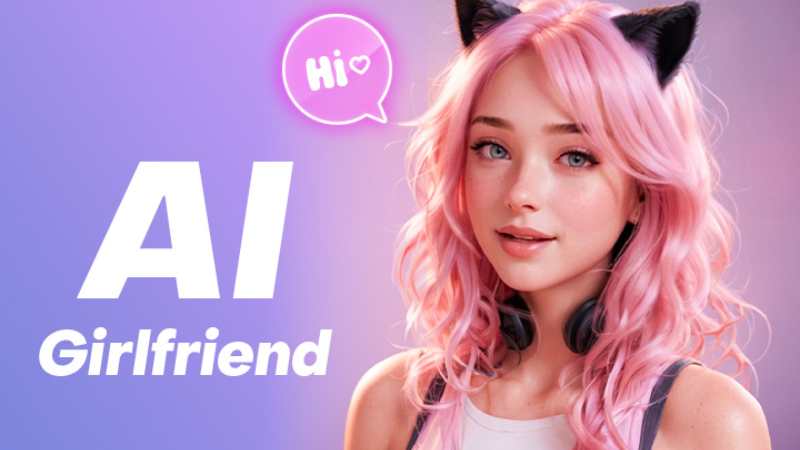
Virtual AI companions have moved beyond the “cute chatbot” phase. In 2026, the category is increasingly defined by three things: presence, persistence, and product maturity. Presence means the companion feels more like someone you interact with (voice, expressive avatars, faster responses). Persistence means it remembers context and relationships over time (with user controls). Product maturity means the industry is being forced to behave like a real consumer sector: clearer safety rules, tighter privacy expectations, and monetization that can support high compute costs.
Platforms in the Joi AI style—character-first, relationship-driven, often romance-forward—are riding the same wave as broader consumer AI, but with higher emotional stakes. Users are not only buying “answers.” They are buying a feeling: attention, chemistry, comfort, fantasy, or companionship on demand.
Below are the most important trends shaping 2026 virtual AI companion, written in a practical way: what the trend is, why users want it, and how it shows up in real products.
Trend 1: Voice becomes the default “premium layer”
Text got people in the door. Voice keeps them there. In 2026, voice is not just a novelty add-on; it’s the fastest path to immersion because it reduces the sense of typing into a machine. Users respond more strongly to tone, timing, warmth, and pauses than to perfect grammar.
What this looks like:
- voice notes and call-style sessions
- more natural pacing (less robotic rhythm)
- customizable voice “vibes” that match a character archetype
Why it matters: voice turns a character into a presence. It also increases engagement, which pushes products toward more structured subscriptions and usage-based pricing.
Trend 2: Expressive avatars shift from decoration to interface
The avatar is becoming the front door. Even when the underlying conversation is still text-first, users engage more when there’s an expressive visual identity: facial cues, mood states, “selfie” aesthetics, and scene framing. Stylized characters remain popular because they avoid the uncanny valley while still feeling intimate.
What this looks like:
- animated portraits that react to conversation tone
- character “mood” visuals (calm, teasing, affectionate, intense)
- scene-based visuals that support roleplay without requiring heavy setup
Trend 3: Memory evolves into “relationship continuity,” not just facts
In 2026, the bar is rising. Users are less impressed by “it remembers my name” and more impressed by emotional continuity: it recalls preferences, recurring jokes, boundaries, and the general arc of the relationship dynamic.
But the bigger trend is governance: users want control over memory.
What this looks like:
- memory toggles (what to remember, what to ignore
- editing or deleting memories
- separate memory lanes for different modes (romantic vs friendly vs roleplay)
This is a trust issue as much as a feature issue. If users feel trapped by memory, they churn.
Trend 4: Boundary and consent controls become core UX
The industry is learning a blunt lesson: romance-forward and adult-leaning companions need predictability. Users want to set pacing, intensity, and no-go zones without fighting the system. Good products make boundaries feel like a normal setup step, not a scolding safety lecture.
What this looks like:
- romance intensity settings (soft, playful, spicy, very intense)
- consent check patterns that feel natural
- clear limits around manipulation themes (guilt, coercion, emotional pressure)
The winners in 2026 treat safety controls like personalization—not like punishment.
Trend 5: “Creator companions” and character marketplaces keep growing
Users don’t want one generic bot. They want archetypes: the teasing flirt, the protective partner, the shy slow-burn, the confident dominant, the comforting best friend. Creator ecosystems scale this demand faster than any single company can write characters.
What this looks like:
- character libraries with tags (tone, mood, style)
- templates for building consistent personas quickly
- premium character packs and seasonal storylines
For platforms like Joi AI, this is a natural fit: the product is already character-led.
Trend 6: Monetization standardizes into “subscription + credits”
Compute-heavy features (high-quality voice, images, longer sessions, advanced personalization) are expensive to deliver at scale. In 2026, more companion products converge on:
- subscription for baseline access and quality
- credits for premium or compute-heavy actions
This is not just greed; it’s unit economics. The risk is user frustration if pricing feels unclear or manipulative. The best implementations are transparent: “Here’s what your plan includes, here’s what costs extra, and here’s why.”
Trend 7: Multi-mode companions replace single-purpose bots
Users increasingly want one companion that can switch modes:
- romantic partner mode
- friend mode
- roleplay mode
- supportive conversation mode
- playful entertainment mode
Instead of forcing users to create separate characters, products will offer mode switching with tone and boundary presets. This reduces friction and helps companions feel more “real” because real relationships shift tone across contexts.
Trend 8: Personalization becomes more “taste-based” than “data-based”
In 2026, the smartest personalization is not “collect more personal data.” It’s “learn the user’s taste.” That means:
- preferred pacing (short texts vs long replies)
- preferred humor style
- preferred emotional intensity
- preferred roleplay structure (scenes vs freeform)
This is good for privacy too: taste can be learned with minimal sensitive data.
Trend 9: Privacy and discretion move from legal fine print to selling point
Companion chat is inherently intimate. Users want:
- clearer deletion controls
- stronger account security defaults
- less anxiety about what is stored and for how long
Even when products are not “privacy tools,” privacy becomes part of the competitive landscape because users are learning to be cautious with emotionally sensitive conversations.
Trend 10: Companions begin to “leave the chat box”
The direction of travel is obvious: companions show up across more surfaces—desktop, mobile, voice-only, wearable contexts, and immersive environments. Not every platform will deliver full VR embodiment, but the idea of an AI companion as a persistent presence (not a single chat window) is accelerating.
What this looks like:
- hands-free voice use in daily routines
- ambient check-ins and micro-conversations
- richer “presence” experiences for users who want immersion
Trend summary table (2026)
| Trend | What users want | What it looks like in Joi AI-style products |
| Voice-first intimacy | More “real” presence | Voice notes, call mode, voice personas |
| Expressive avatars | A character that feels alive | Animated portraits, mood states, stylized visuals |
| Memory with control | Continuity without creepiness | Memory dashboard, edit/delete, mode-based memory |
| Boundary UX | Predictable pacing and consent | Intensity settings, consent check patterns, clear limits |
| Character marketplaces | Endless archetypes and vibes | Tagged libraries, creator characters, premium packs |
| Subscription + credits | Fair pricing for expensive features | Clear plan tiers plus optional paid extras |
| Multi-mode companions | One companion, many contexts | Romance/friend/roleplay modes with presets |
| Taste-based personalization | Better fit without oversharing | Pacing, humor, tone preferences learned over time |
| Privacy as a feature | Trust and discretion | Deletion controls, security defaults, clearer settings |
| Beyond chat boxes | Companions everywhere | Voice surfaces, immersive environments, persistent presence |
What users “get” from these trends (practical benefits)
In 2026, users can expect virtual companions to feel more:
- immersive (voice + expressive character identity)
- consistent (better continuity and persona stability)
- customizable (tone, pacing, boundaries, modes)
- repeatable (less prompt engineering, more built-in structure)
For many people, the value is not purely sexual or purely romantic. It’s the blend: entertainment, companionship, escapism, and emotional comfort on demand.
The future outlook: where this is heading next
The next phase is not just “smarter models.” It’s better product ethics and better controls. As companions become more emotionally convincing, the market will reward platforms that can deliver intimacy without manipulation, personalization without creepy surveillance, and fantasy without harmful edge cases.
Joi AI-style platforms are well positioned for this era because character-driven design already matches what users want: a defined persona, a strong vibe, and an experience that feels like more than a Q&A bot. The competitive question for 2026 and beyond is straightforward: who can scale immersion and continuity while keeping trust high and pricing understandable.